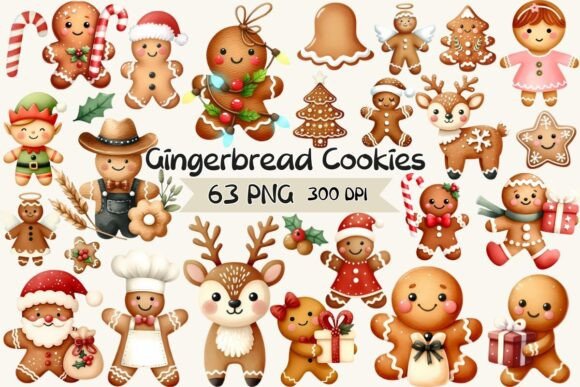
Cute Gingerbread Cookies for Christmas
When I sit down to evaluate a new machine embroidery design, I am rarely looking for something that simply "looks nice" on a screen. As a designer who frequently produces goods for Etsy sellers and small boutiques, my primary concern is always execution. How does this design behave under the needle? Does it hold up after ten washes? Will it translate well into a handmade product that customers are willing to pay a premium for?
This is where my review of Cute Gingerbread Cookies for Christmas comes in. It falls squarely into the Illustrations category, which often presents unique challenges regarding stitch density and detail retention. After putting this file through its paces—testing it on various fabrics and imagining its application across different product lines—I have formed a clear picture of where this design shines and where it might require some caution.
The First Impression: Mood and Visual Personality
At first glance, Cute Gingerbread Cookies for Christmas exudes a warm, nostalgic charm. The visual personality is undeniably cozy, leaning heavily into the seasonal aesthetic without feeling overly cluttered. For a holiday embroidery project, this is crucial. You want the customer to feel an immediate emotional connection when they see the finished piece.
The shapes appear clean and distinct, which is a positive sign for stitching clarity. However, because it is categorized as an illustration rather than a simple monogram or basic motif, there is likely a mix of satin stitch outlines and fill stitch interiors. This combination can create a rich texture, but it also demands careful planning regarding thread colors and fabric choice. The design feels best suited for projects that benefit from a story-telling element, such as personalized gifts or boutique branding, rather than stark, minimalist apparel.
Real-World Application: Where This Design Fits Best
In my experience, the success of an embroidery project is often determined by the substrate. I spent time thinking through how Cute Gingerbread Cookies for Christmas would perform on specific items commonly sold by craft business owners.
- Tote Bags: A canvas tote bag is perhaps the most natural home for this design. The sturdy fabric provides a stable base for the stitches, allowing the details of the gingerbread cookies to pop. When used as a tote bag design, the festive theme resonates perfectly with holiday shoppers looking for unique gift bags or party favors.
- Kitchen Towels and Aprons: There is a rustic, homemade appeal to embroidered kitchen linens. Placing this design on a tea towel or a chef’s apron adds a touch of whimsy to the holiday season. It works exceptionally well as a personalized gift for hosts or bakers. Just ensure you use a high-quality cotton or linen blend to prevent puckering.
- Baby Items: Soft baby blankets or onesies are another strong candidate. The cute factor of gingerbread men is universally appealing for nursery decor or baby showers. When executed on soft jersey or fleece, this becomes a cherished keepsake. It transforms a standard baby embroidery item into a special holiday memory.
- Sweatshirts and Apparel: For sweatshirt embroidery, this design brings a cozy, winter vibe. Whether placed on the chest or centered on the back, it adds character to casual wear. It is important to choose a thick French terry or heavy cotton blend to support the weight of the embroidery threads.
Technical Considerations and Potential Pitfalls
While the aesthetic is strong, no designer should rush into production without considering the technical limitations. Cute Gingerbread Cookies for Christmas has certain characteristics that require attention during the digitizing or stitching phase.
Small Hoop Sizes: If you plan to embroider this on smaller items like caps or hats, be cautious. Curved surfaces like embroidered patches or baseball caps can distort fine details. If the design includes tiny decorative accents or intricate icing patterns, these may become muddy or lose definition on a curved brim. Always test on a scrap piece of the actual cap material before committing to the final product.
Fabric Texture and Stability: The performance of any embroidery file is heavily dependent on the stabilizer used. For stretchy fabrics like sweatshirt material or thin knits, a cut-away stabilizer is non-negotiable to prevent distortion. On textured fabrics like waffle weave or boucle, the needle penetration can be inconsistent, leading to skipped stitches. I recommend testing on a scrap of your target fabric first to check for stability.
Thread Color Contrast: Gingerbread designs often rely on brown tones against lighter backgrounds. If you are using dark fabric, you must ensure your thread colors provide enough contrast. Otherwise, the design will disappear into the background. Conversely, on white fabric, ensure the browns are deep enough to stand out. Testing in black and white mockups can help you visualize the value contrast before you start threading your machine.
Detail Retention and Stitch Density
Illustrative designs often push the limits of stitch density. If the design attempts to render every single sprinkle or button on the gingerbread cookie, it may become too dense, leading to a stiff, uncomfortable finished product. High density can also cause the fabric to pucker, especially if proper hooping techniques are not used. Inspect the small details closely; if they are too tiny, consider simplifying them or enlarging the overall hoop size to maintain clarity.
Impact on Product Value and Customer Trust
For commercial embroidery professionals, the quality of the execution directly impacts brand reputation. A poorly stitched design can make a small shop product look cheap, regardless of the price point. However, a well-executed Cute Gingerbread Cookies for Christmas elevates the perceived value of the item.
Customers associate crisp edges, consistent tension, and appropriate thread choices with professionalism. When a buyer sees a beautifully stitched gingerbread cookie on a tote bag, they trust the maker’s skill. This trust translates into repeat business and positive reviews. Furthermore, a cohesive design language helps with brand consistency. If your shop specializes in cozy, festive aesthetics, this design fits seamlessly into your collection, reinforcing your identity as a curator of holiday joy.
Practical Designer Notes for Success
To ensure the best results when working with this digital embroidery file, keep the following checklist in mind:
- Test First: Never skip the test run. Embroider on a scrap of your actual fabric to check for tension issues, color clashes, or stability problems.
- Check Licensing: Before selling finished items or design assets, confirm the licensing terms. Ensure you have the right to use the design for commercial purposes.
- Review File Specs: Verify the recommended hoop size and machine compatibility. If these details are not provided, contact the designer or test extensively to find the safe limits.
- Stabilize Properly: Use the correct type and weight of stabilizer for your fabric. A heavy apron needs more support than a light kitchen towel.
- Mind the Wash: Remember that finished products will be washed. Choose threads and fabrics that can withstand frequent laundering without fading or fraying.
In conclusion, Cute Gingerbread Cookies for Christmas is a charming addition to any embroidery project library. It offers strong visual appeal and versatility across a range of products, from custom apparel to printable mockups for digital listings. By paying attention to fabric choice, stabilization, and stitch quality, you can transform this illustration into a profitable and beloved handmade product that captures the spirit of the season.